
MS Offers Windows 11 26H2 to Eligible Windows 10 PCs
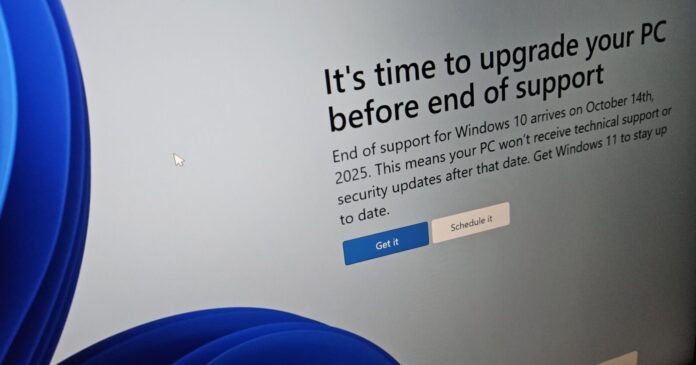
Standard support for Windows 10 ended in October 2025, and the operating system has since relied on extended security support. That final safety net will expire on October 12, 2027, leaving users roughly 11 months to upgrade to Windows 11 or continue without security updates. MS is already preparing for that deadline by offering Windows 11 26H2 to eligible Windows 10 PCs.
Windows 10 devices have typically received direct upgrades to the latest Windows 11 release later than existing Windows 11 PCs. For example, Windows 11 25H2 took several months to appear on Windows 10 systems, with many devices continuing to receive offers for versions 23H2 or 24H2 instead.
Windows 10 users who check for updates may now be offered Windows 11 26H2 immediately, replacing previous upgrade offers for versions 24H2 or 25H2 on some PCs. Although the change is relatively minor, it suggests MS views 26H2 as a possible turning point, particularly because consumers have described this release as a faster version of Windows.
Windows 11 26H2 began rolling out on September 29 and has now been available for more than a month. MS recently confirmed that the update had reached all eligible PCs and recommended installing it.
MS stated that Windows 11 version 26H2 is now available for all eligible devices and recommended upgrading to remain current, secure, and productive.
MS routinely promotes newer Windows releases as more secure, but 26H2 reached broad availability unusually quickly. The update became fully available to PCs running Windows 11 24H2 and 25H2 in less than a month.
Windows 10 users can check for the upgrade by opening Settings > Update & Security > Windows Update. The PC must satisfy Windows 11’s hardware requirements, and installation may take longer than it does on a system already running Windows 11 24H2 or 25H2.
MS is also reportedly preparing another wave of Windows 10 upgrade notifications, making a direct upgrade path to Windows 11 26H2 a logical step.
Windows 10 Is Running Out of Lifelines
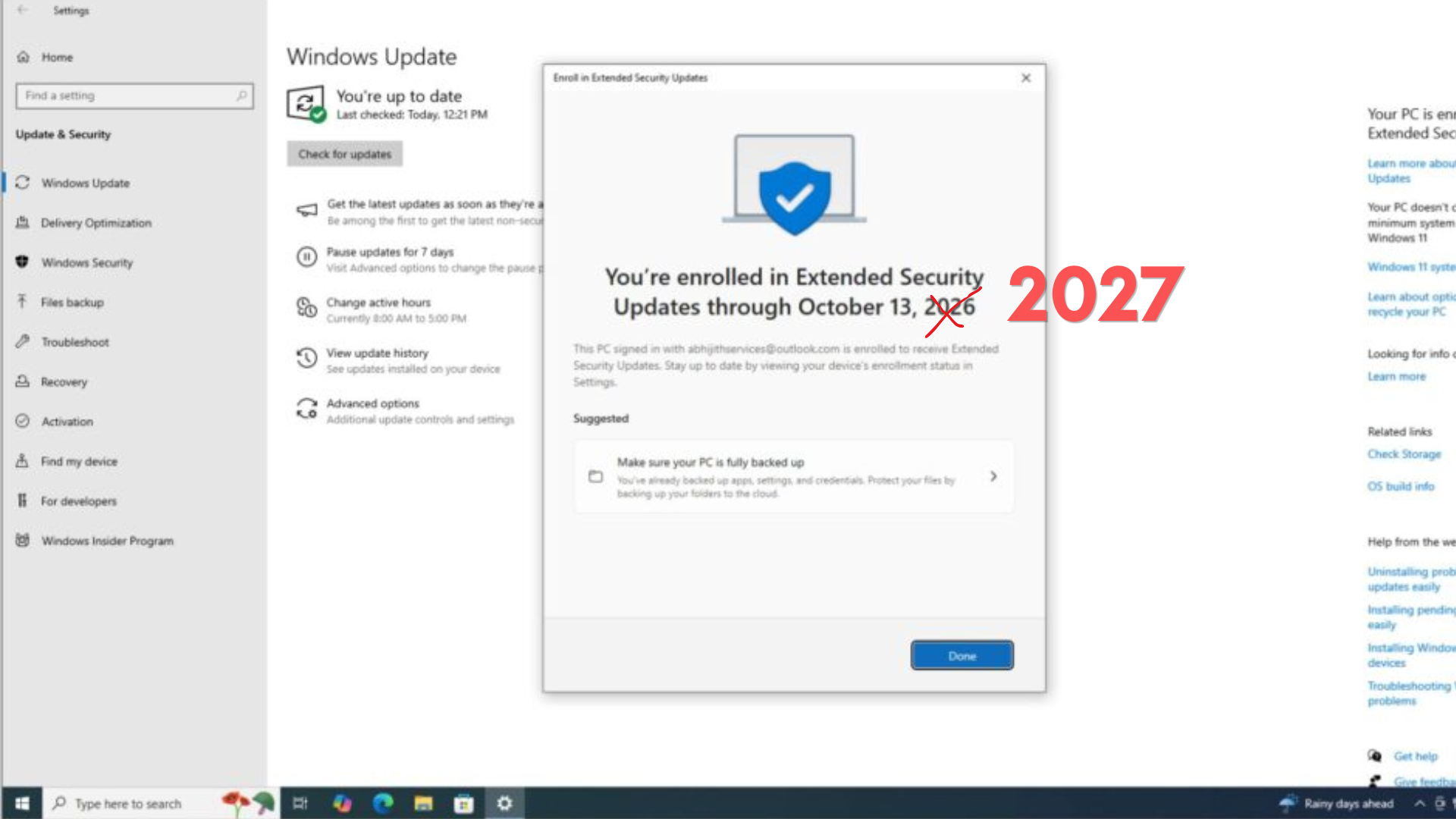
Windows 10 support was extended because millions of users remain unwilling or unable to move to Windows 11.
Adoption might increase if MS relaxed requirements such as TPM 2.0 and Secure Boot. However, the stricter requirements were introduced partly to encourage the use or purchase of newer PCs, making such a policy change unlikely.
Although users can bypass these restrictions, that option is impractical for many people without technical expertise. Buying new hardware is also not feasible for everyone, while millions of users remain reluctant to adopt Windows 11.
Those who want to remain on Windows 10 must enroll in the Extended Security Updates (ESU) program to continue receiving critical updates. MS has extended the consumer ESU program through October 12, 2027.
Windows 11 26H2 Is Faster but Offers Few Visible Changes
Windows 11 26H2 includes no major visible changes and uses the same platform release as versions 24H2 and 25H2. As a result, the overall experience remains largely identical across these versions. However, upgrading to 26H2 provides a longer support period on the same servicing branch, which has undergone three years of testing.
The update also activates improvements introduced over recent months, including better performance on PCs with limited RAM, faster application launches, and more responsive Start menu and Windows Search experiences through the Low Latency Profile.
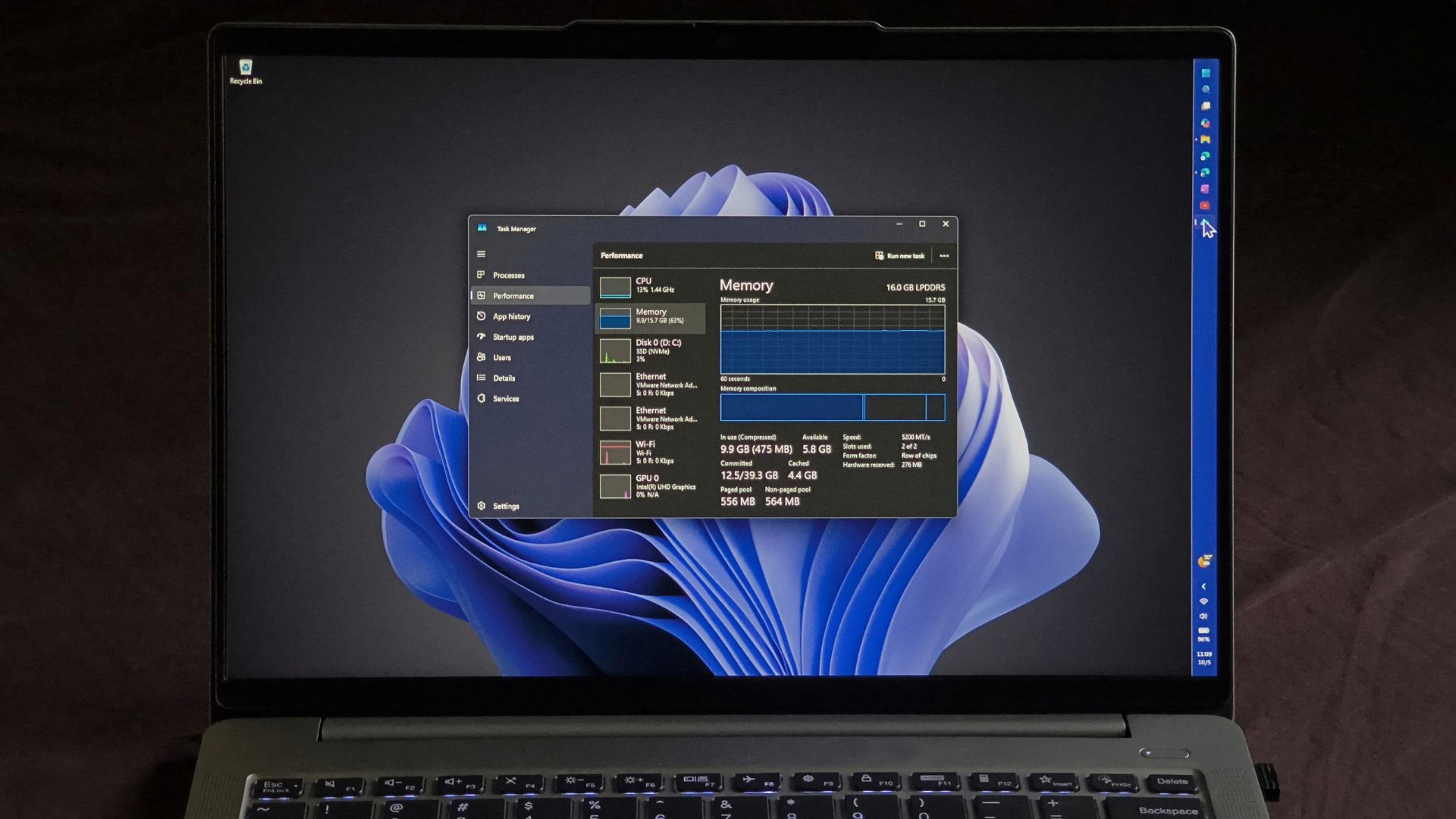
MS claims Windows 11 is now up to 20% more responsive and plans additional performance improvements for Start, Search, and File Explorer. Testing on a laptop with 8GB of RAM also indicated reduced memory usage after installing Windows 11 26H2.
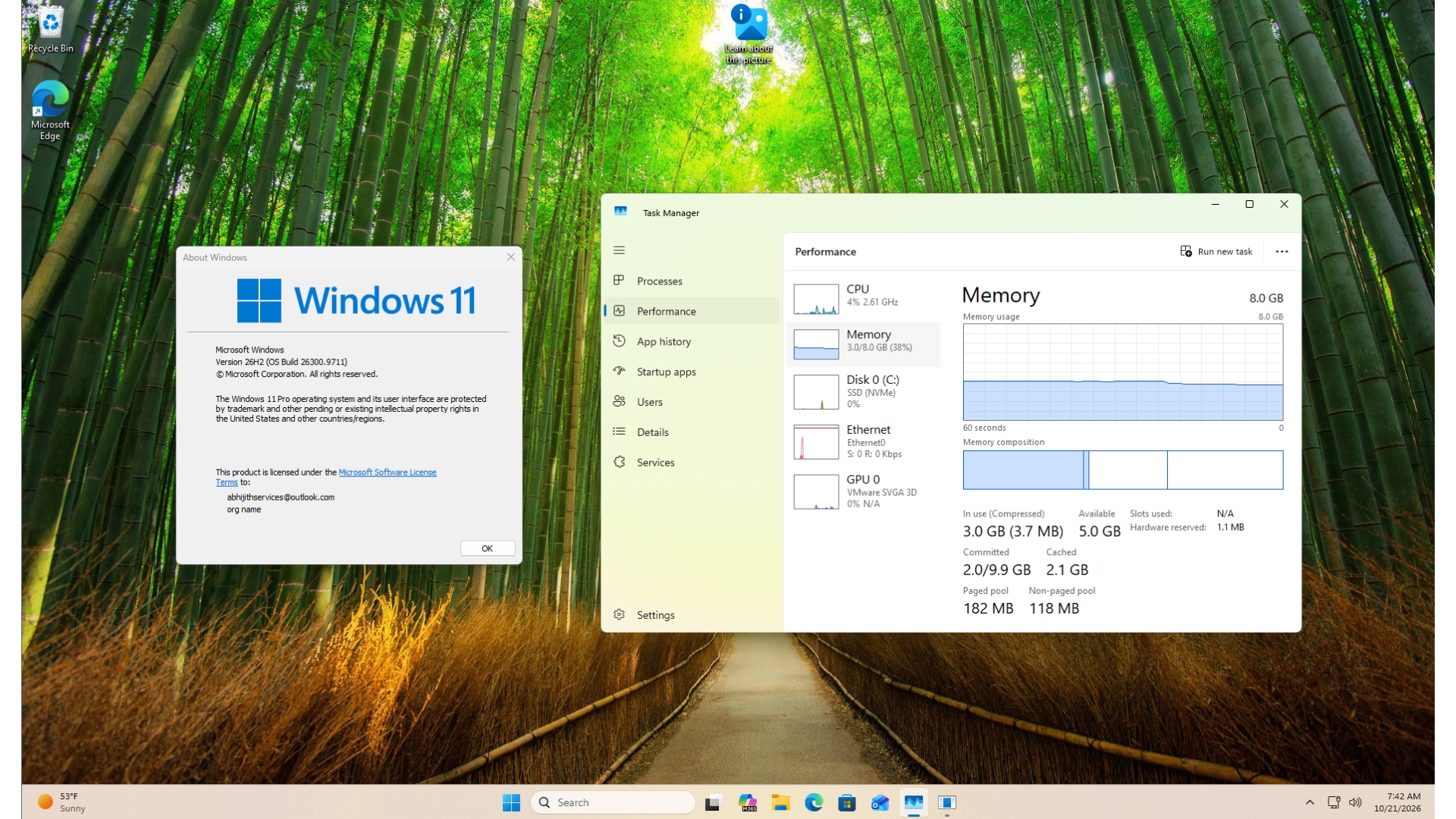
Users should not expect every PC to become 20% faster simply by installing the Windows 11 2026 Update. MS has not yet provided detailed performance data, so it remains unclear which devices or workloads demonstrate the claimed improvement.
Windows 11 26H2 Extends the Timeline Before the Next Major Release
Even if Windows 11 26H2 does not persuade users who are reluctant to leave Windows 10, it does reset the Windows 11 support lifecycle. MS plans to release one of the operating system’s largest updates in 2027, with its arrival expected around October of that year.
Windows 10 users who prefer to avoid major changes may choose to upgrade to Windows 11 26H2 and remain on it while Windows 11 27H2 matures. This approach provides more time on the current Windows platform before another major upgrade needs to be considered.
Windows 11 27H2 is expected to introduce a new platform release in 2027, potentially making it a substantially larger update than 26H2. However, a major platform change could also bring compatibility concerns and other potential issues.
Regardless of which path users choose, the Windows 10 consumer ESU deadline is approaching, leaving less than a year to decide what comes next.